You want two things from a honeymoon safari. Wildlife that shows up, and enough privacy that it feels like your trip, not a tour bus schedule. The tricky part is that Kenya rarely gives you both at once. This guide breaks down the best time for a honeymoon safari in Kenya: what each season actually costs you, in crowds, rain risk, and money, so you can pick the trade-off that suits you rather than guess.
The Short Answer: The Best Time to Go
If you want the Great Wildebeest Migration and don’t mind sharing the riverbank, go in July to October. If you want a quieter, more romantic pace and don’t mind a slightly higher rain chance, go January to March or April to June. There is no single “best” month. There is a best month for what you two care about most.
Peak Dry Season: July to October
This is when the Great Migration crosses the Mara River, and it’s the single biggest wildlife event in East Africa. Roughly two million wildebeest and zebra move through the Masai Mara from around late July through October, chasing rain-fed grass. Skies are mostly clear, mornings are cool, and game drives are easy on dirt roads that have dried out since April.
The catch is that everyone else read the same brochure. A well-known river crossing at Mara conservancies like Olare Motorogi or Naboisho might draw ten or more vehicles. Camps book out nine to twelve months ahead for this window, and honeymoon suites go first. Expect roughly $450 to $900 per couple, per night, all-inclusive, at a mid-to-upper tier camp, and $1,000 upward at the most exclusive private conservancy lodges. These are indicative ranges. Rates shift by camp and year, so always confirm current pricing before you book.
The Quiet Season: January to March
This is the window Valley Safaris quietly recommends to most honeymooners. Rains have cleared, the grass is short so animals are easy to spot, and daytime temperatures sit around 25 to 30°C across the Mara and Amboseli. Wildebeest herds are usually down in the southern Serengeti at this point, not in Kenya, but resident lion, elephant, and giraffe populations are active and visible year-round.
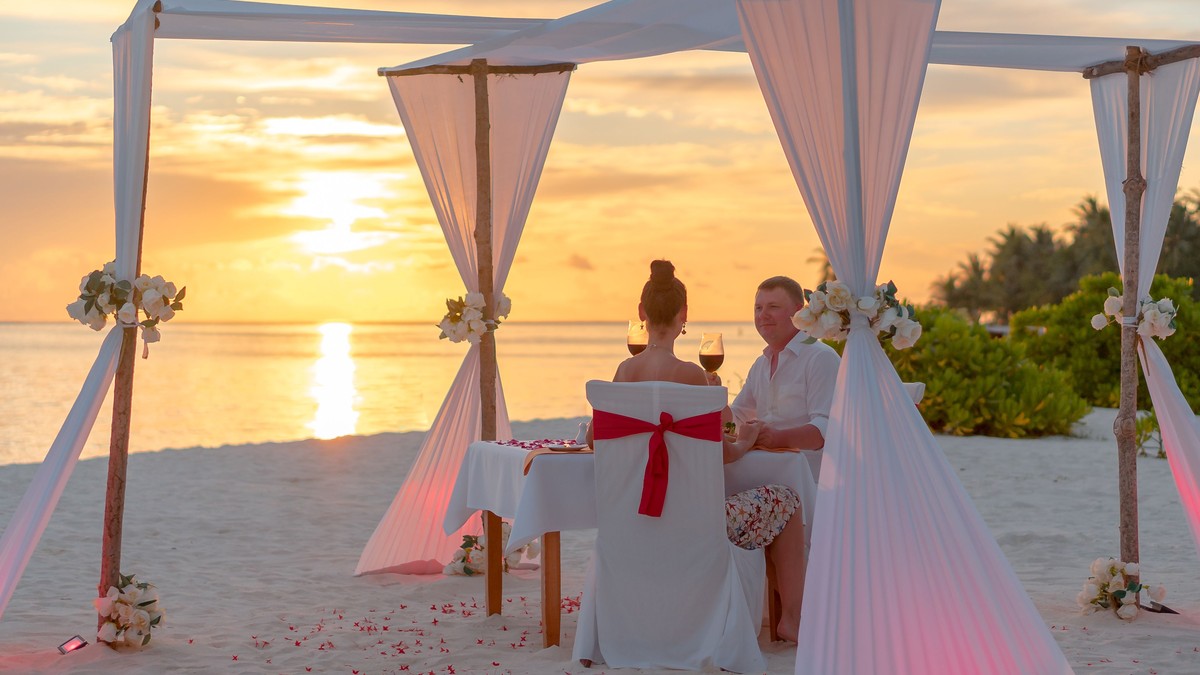
Camps are quieter. You can often get a private table for dinner without asking twice, and guides have more time to plan a sunset picnic or a bush breakfast that isn’t rushed. Rates typically run $350 to $650 per couple per night at the same camps that charge peak prices in August. Booking lead time is usually three to six months rather than a year.
Green Season: April to June and Early November
This is the value season, and it’s worth taking seriously rather than avoiding on instinct. Long rains fall mainly in April and May, usually as afternoon downpours rather than all-day washouts. Mornings are often clear. The landscape turns a deep green that photographs beautifully, and newborn impala, zebra, and wildebeest calves are everywhere by May and June.
Rates drop the most here, often 30 to 40 percent below peak season at the same property. Roads can get muddy in the Mara’s black cotton soil, so some camps use 4×4 vehicles with reinforced clearance, and a few remote conservancy camps close entirely in April. Check our post on how much you can save traveling in low season for real numbers on specific camps. Short rains in early November are lighter and shorter, usually an hour of rain in the late afternoon, and this window is underrated for a honeymoon on a tighter budget.
Month-by-Month at a Glance
| Season | Months | Weather | Migration Status | Indicative Price/Night (Couple, All-Inclusive) | Crowd Level |
|---|---|---|---|---|---|
| Peak dry | Jul-Oct | Dry, cool mornings, 22-28°C | River crossings, Masai Mara | $450-$1,200+ | High |
| Quiet dry | Jan-Mar | Dry, warm, 25-31°C | Herds in Serengeti, resident game strong | $350-$650 | Low-medium |
| Long rains | Apr-Jun | Afternoon showers, lush | Herds moving north through Serengeti | $250-$450 | Very low |
| Short rains | Nov (early) | Brief afternoon rain | Herds beginning to arrive in Mara | $280-$480 | Low |
Prices are indicative ranges based on mid-to-upper tier honeymoon camps and vary by lodge, conservancy fees, and year. Always reconfirm before booking.
Timing by Park: Mara, Amboseli, Samburu, and Tsavo
The Masai Mara National Reserve sits about 270 km southwest of Nairobi, roughly a 5 to 6 hour drive or a 45-minute flight from Wilson Airport to airstrips like Keekorok or Ol Kiombo. It peaks July through October for the migration, but resident lion and leopard sightings are strong all year. Nonresident park entry runs around $100 per adult per day, plus separate conservancy fees if you stay in places like Naboisho or Olare Motorogi.
Amboseli National Park, about 240 km south of Nairobi and a 4-hour drive, is best any time you want reliable elephant sightings against a backdrop of Mount Kilimanjaro. Clear skies for that classic Kilimanjaro photo are most likely June through October and January to February. Nonresident entry is roughly $60 per adult per day. Many couples pair the Mara and Amboseli on one honeymoon, and our guide to combining the Masai Mara and Amboseli on one trip covers routing and drive times in more detail.
Samburu National Reserve, about 325 km north of Nairobi (around 6 hours by road, or under an hour by air), stays warm and dry-feeling most of the year and is a good green-season alternative when the Mara is muddy. Tsavo East and Tsavo West, roughly 240 to 330 km from Nairobi, offer some of the lowest camp rates in the country and are a smart add-on if you’re combining safari with a beach stretch on the coast.
Pairing Safari with a Beach Honeymoon
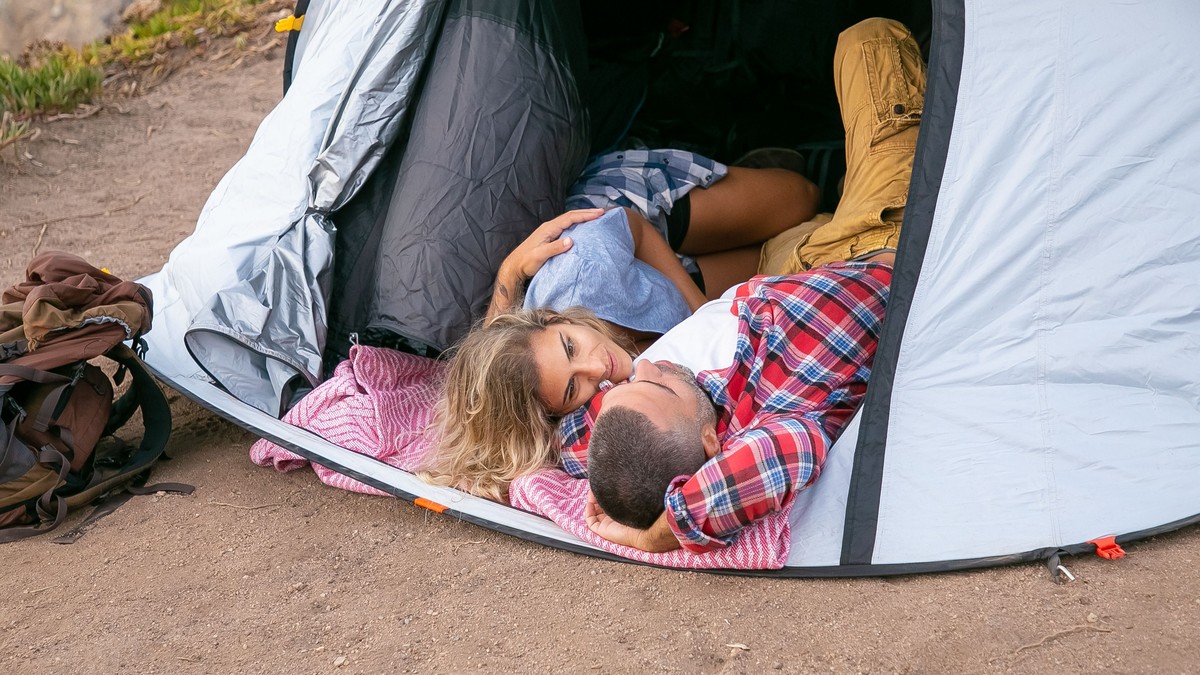
A lot of our honeymoon couples do seven to ten days total, split between a safari camp and a few nights on the coast at Diani Beach, about a 45-minute flight from Nairobi, or a scenic connecting flight from the Mara. If you’re doing both, aim for the same window. July to October and January to March both give you dry safari days and calm, sunny beach days on the coast. April and May bring rain to both regions, so that combination works better as a green-season budget trip than a splurge honeymoon.
How Many Days Do You Need
Five days is the minimum for a safari that doesn’t feel rushed, giving you two full days in one park and a buffer for travel and rest. Seven days lets you add a second park, like Amboseli after the Mara, without feeling like you’re always packing. If you want the beach add-on, budget ten days total. For a tighter, well-paced option, see our 5-day honeymoon safari itinerary for a route that works well in any season.
How Far Ahead to Book
For July through October travel, book nine to twelve months ahead, especially for a specific honeymoon suite with a private plunge pool. For January to March, three to six months is usually enough. For the green season, six to eight weeks can still land you a good camp, since demand is lower and availability opens up closer to travel dates.
The Valley Safaris Difference
We’ve planned honeymoons across every one of these seasons, and we tell couples the truth about what they’re choosing, not just the upside. If you book July for the migration, we’ll tell you which conservancies still feel private even during peak crowds. If you book March for the quiet season, we’ll build in the sunset picnic and the bush dinner that make the lower rate feel like a splurge anyway.
We work with camps directly, not through a booking platform, so when a couple wants a specific honeymoon suite or a guide who knows the Mara’s back roads, we can usually make it happen. Every itinerary we build accounts for real drive times and real park fees, not rounded estimates, so there are no surprises once you land in Nairobi.
Ready to Plan Your Honeymoon Safari
Every season has an honest case for it, and the right one depends on what you two want most: the migration, the quiet, or the savings. Tell us your dates and your priorities, and we’ll build an itinerary around them. Get in touch with Valley Safaris to start planning your honeymoon safari.